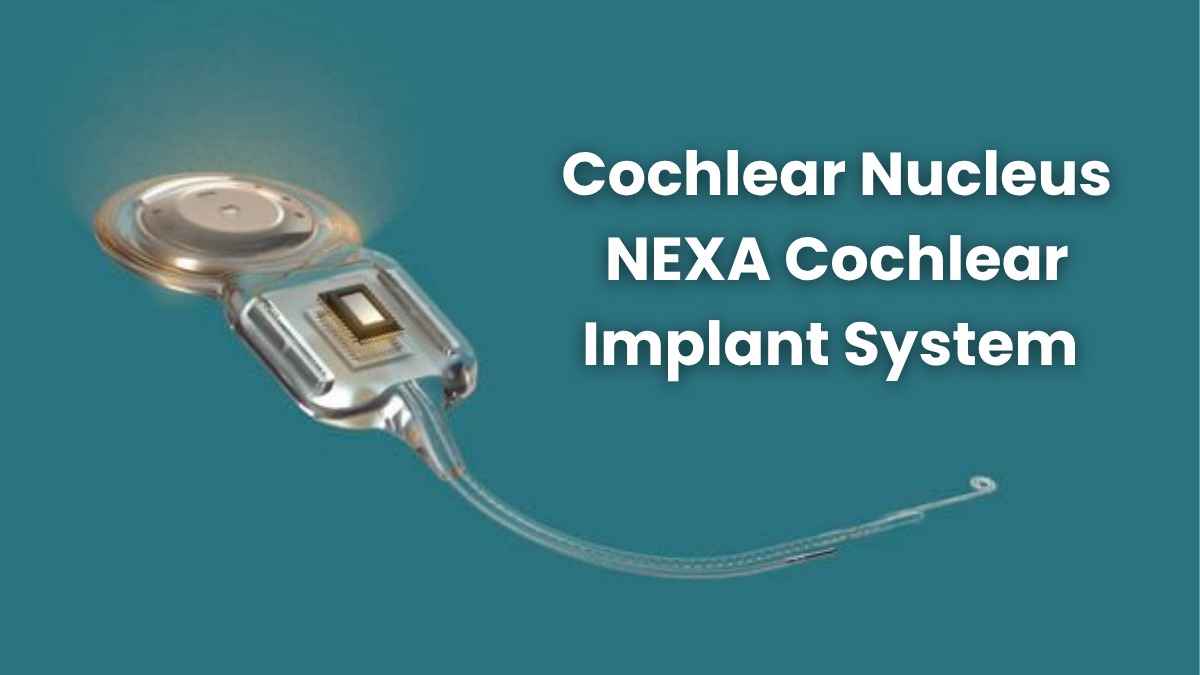
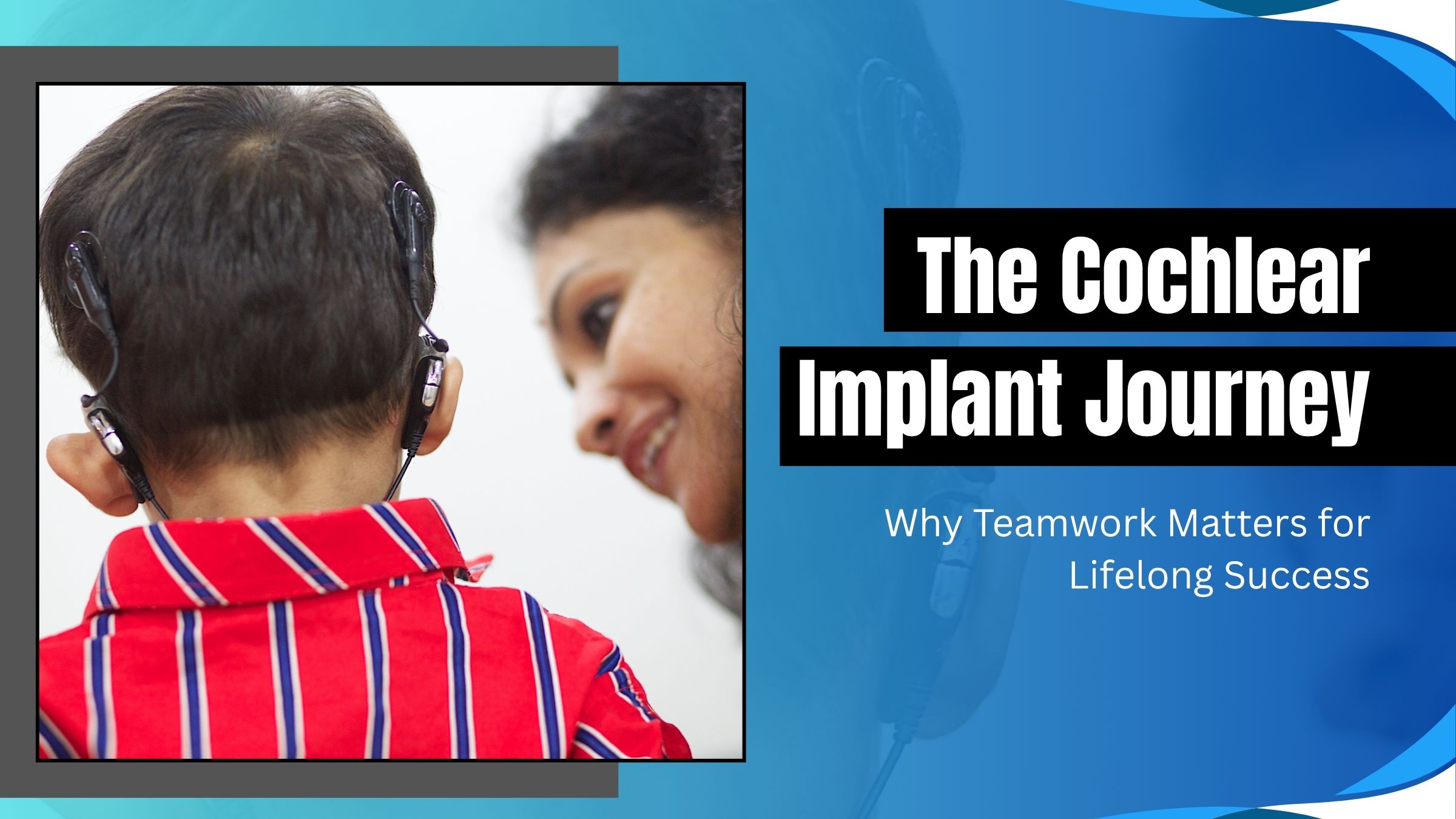
Cochlear Implant treatment is not a single procedure; it’s a lifelong partnership between the patient and a multidisciplinary team. At SpHear Speech and Hearing Clinics, we strongly believe that success depends on the combined expertise of ENT surgeons, audiologists, speech therapists, habilitation specialists, and lifelong monitoring.
Why a Team Approach is Essential:
• Accurate diagnostics by experienced audiologists
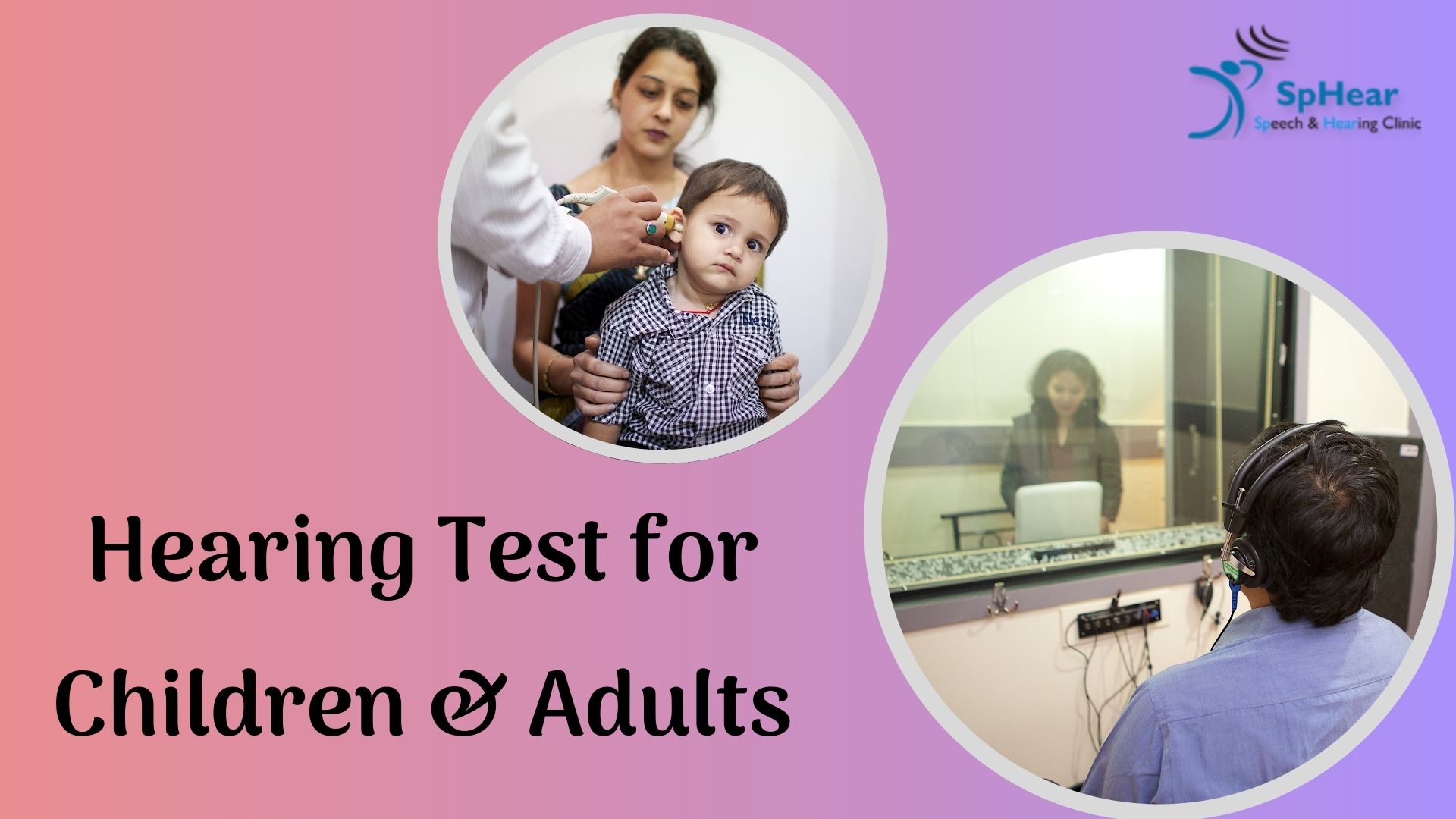
• Pre-surgical evaluations: audiological, radiological & medical
• Joint decision-making meetings with families
• Experienced cochlear implant surgery minimizing trauma & preserving delicate structures
• Device activation (switch-on) guided by expert audiologists
• Custom mapping sessions for optimal hearing outcomes
• Habilitation & speech & Language therapy for language development
• Lifelong monitoring for device optimization and any medical needs
Our Commitment to Every Patient:
At SpHear Clinics, we not only bring decades of clinical expertise but also a deep personal commitment to each patient’s lifelong hearing journey. From infants who are now grown adults, to new implant recipients — we remain partners throughout their lives.
FAQs:
How do we ensure SAFE Cochlear Implant surgery?
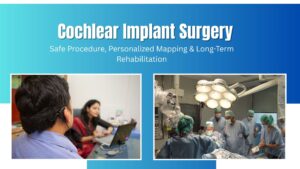
Cochlear Implant (CI) is an ear operation—not a brain operation. It is very important to have an experienced CI surgeon. We ensure all international protocols are followed for safe surgery. The procedure should be swift—at our center, the surgery typically takes around one hour. It is a delicate operation focused on preserving inner ear structures.
We also follow strict anaesthetic and asepsis protocols to prevent infections. In our hands, it is a very safe, low-risk ear operation.
What happens at SWITCH ON and what is effective MAPPING of a Cochlear Implant recipient?
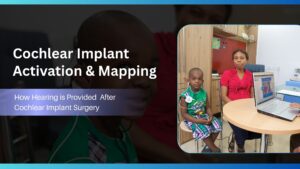
A couple of weeks after the surgery is the time for switch-on or activation of the device—one of the most exciting moments for all. This is when the journey of hearing truly begins.
Mapping sessions follow activation. Mapping must be tailored for each individual—no two maps are the same. The goal is for the recipient to hear well through their device. Good mapping ensures good outcomes. Therefore, mapping should be done by a trained audiologist who understands the needs and nuances of each CI recipient.
What is HABILITATION and (RE)HABILITATION? Why is it important for Cochlear Implant recipients?
Once the CI is switched on, the child or adult can hear sounds. These sounds go to the brain, but to make sense of them, habilitation is needed. Meaning is being given to the sounds that are heard from Cochlear Impalnts . Slowly these meaningful sounds becomes language.
A child needs to learn speech and language, which requires consistent input from the family, clinicians, and—most importantly—the therapist.
Adults also need rehabilitation after a CI to relearn sounds they may not have heard for many years. Whether it’s habilitation or rehabilitation, this process is crucial for the success of the cochlear implant.
Does surgical technique matter?
Yes, it absolutely matters. Being trained in the standard technique—used by the majority of CI surgeons globally—enables the use of delicate steps for hearing preservation.
This training allows us to address complex inner ear structures and situations confidently. We are also able to use any type of device and electrode array, whether straight or curved or paramodular. Attention to protocol, vast experience, and consistent technique ensures safe and efficient CI surgery.