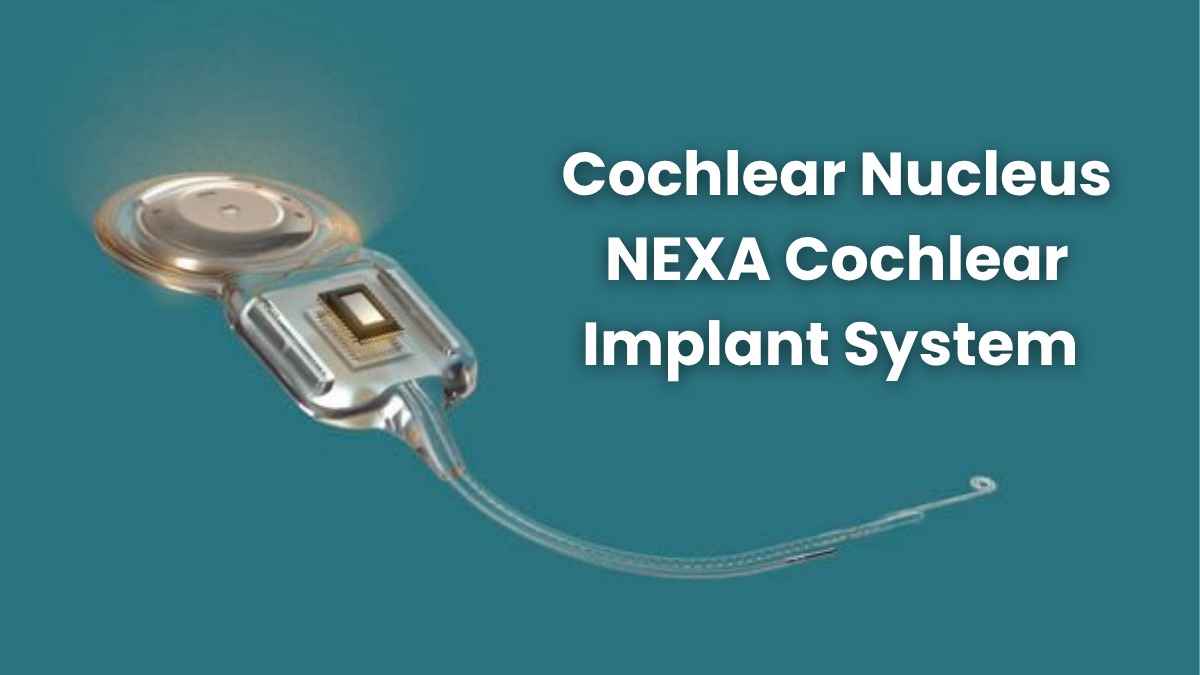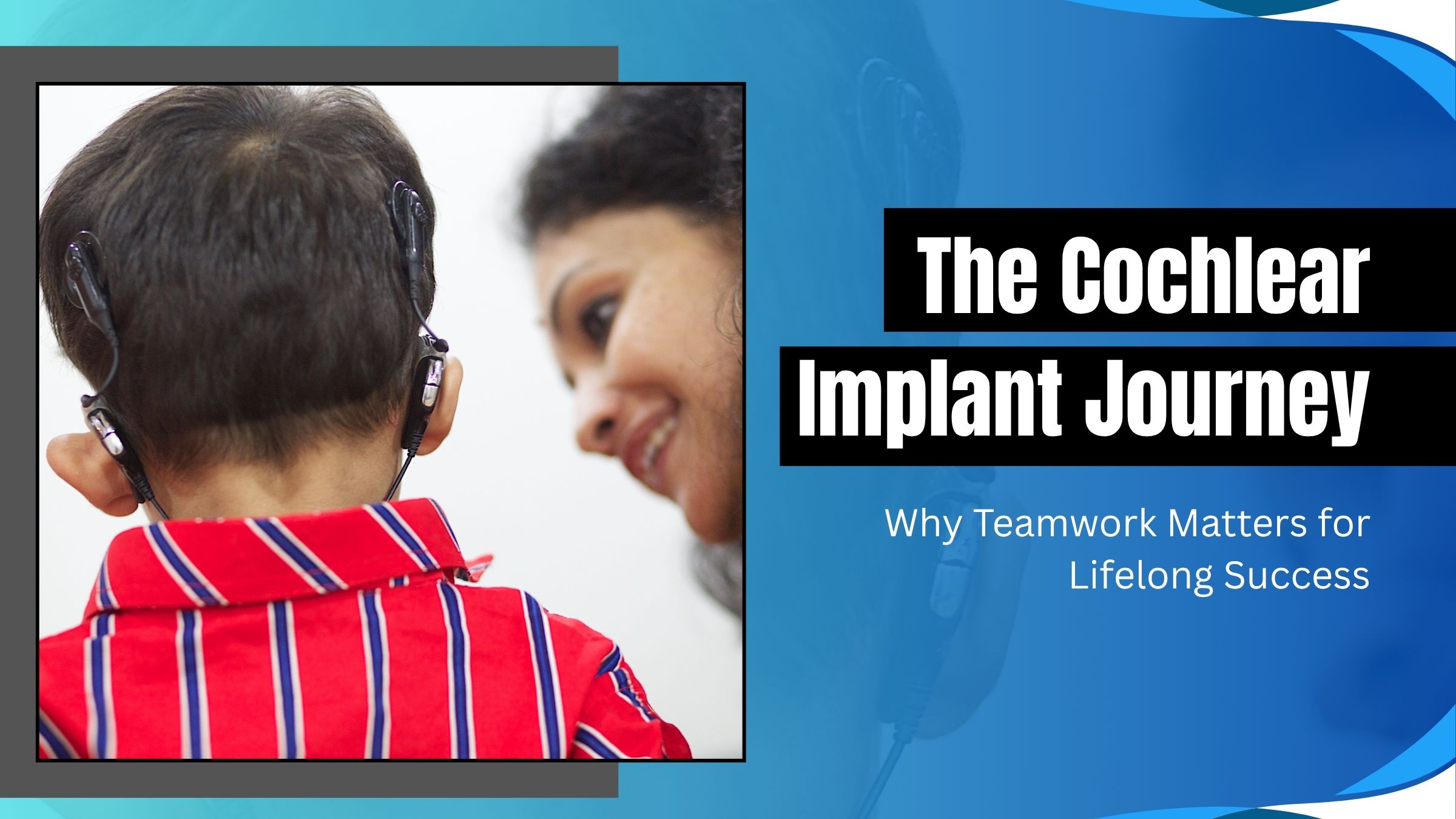

After cochlear implant surgery, patients and families experience one of the most emotional milestones: device activation (switch-on). But the real work begins after switch-on through a process called mapping — where hearing is carefully tuned, adjusted, and optimized over time.
At SpHear Speech and Hearing Clinics, we specialize in expert device activation and long-term customized mapping.
What Happens During Switch-On?
• Usually performed 2–3 weeks after surgery
• The first time the patient hears sound post Cochlear Implant surgery
• Initial sound levels are kept soft to avoid overwhelming the brain.
• Each patient (adult or child) responds differently to hearing stimuli
What is Cochlear Implant Mapping?
• Mapping is the process of programming the sound processor to optimize hearing
• Every patient’s anatomy, brain, and auditory system is unique
• Mapping is fully customized — there are no “pre-set” programs
• Expert audiologists adjust multiple electrodes , channel ,and frequency levels over time.
Why Long-Term Mapping is Critical:
• Fine-tuning may take 6–12 months for stable optimal & consistent hearing outcome
• Each mapping session further refines sound quality & optimises the hearing.
• Aided audiometry ensures all frequencies are heard at correct loudness
• In bilateral implants, both ears must be carefully balanced in terms of hearing.
Who Should Perform Mapping?
• Only experienced, qualified clinical audiologists, who are trained in handling Cochlear Impalnts.
• Incorrect mapping may lead to poor hearing outcomes and delayed & incorrect speech development. It can also lead to poor sound perceptions.
SpHear Clinic’s Commitment to Lifelong Care:
At SpHear Clinics, our audiology experts bring decades of mapping experience to ensure every cochlear implant patient achieves the best possible hearing and speech outcomes.
FAQ:
What is MAPPING of a Cochlear Implant? Why is it RELEVANT & How do we ensure an Effective MAP?
A few weeks after the surgery, once the surgery wound has healed is the most exciting moment – of the Device activation = switch on
A very emotional moment for the family, when you hears for the first time .
Should be done by an experienced audiologist – especially when we are dealing with very young babies – say 6 to 8 month old.
Have to ensure that the levels are not full in the initial phase, as the child may be hearing for the first time, or the adult is hearing after a long time.
Mapping involves programming of the device by an audiologist who has special expertise in the field of cochlear implants – this ensure the recipient is hearing well with the CI.
MAPs are programs that optimize the functionality of a cochlear implant – and has to be individualised to each patient. There is no such thing as an automatic map or a single map made by a click of a button.
Each recipient is different – anatomy, physiology, brain, requirement are different – and each person thus needs a tailor made map.
In 25 years of experience – seen that no two maps are the same. Even for the same person the map may change.
Mapping is required to be done regularly.
How to ensure the map is right – we do aided audiometry to ensure the sound is optimal – this is pivotal to get good outcomes.
A good map ensures good hearing – which is integral for good speech outcomes.
It is a process that cannot be done in one or two sittings – and can take many months to get a stable map.
Also – in bilateral CI it is important to balance the hearing of two sides well.
Also important to balance the loudness of the sound across the complete electrode array
Thus should be done only by a qualified audiologist with experience.